







Search Results for: industry professionals
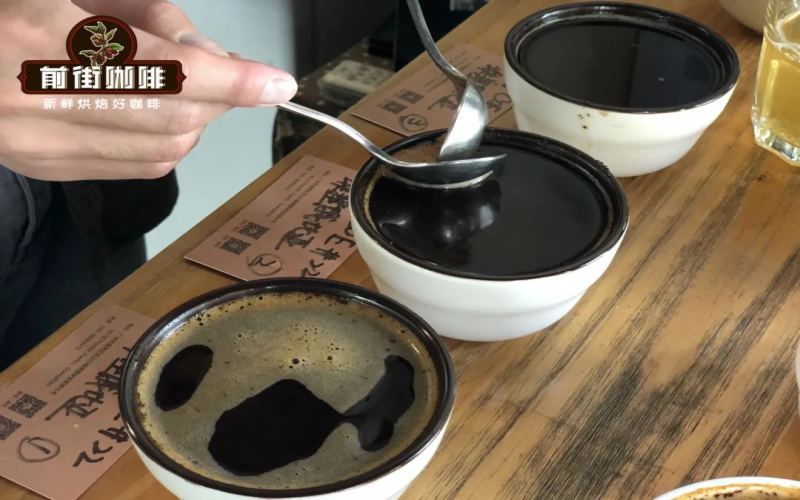
Cupping Slurp
Cupping is one of the core tasks of coffee industry professionals, and it is a way to help people evaluate coffee flavors and characteristics in a relatively fair and systematic manner. Cupping takes place throughout the entire coffee supply chain, not only at the consumer end in coffee shops, but also at the production end, including mid- and upstream roasteries and places of origin. So how do you perform a cupping? [more…]
The Rise of Malaysian Specialty Coffee: From White Coffee Tradition to the Transformation of the Third Wave
Malaysia's specialty coffee culture is undergoing a profound transformation. From Kuala Lumpur to Penang and then to Johor Bahru, a growing number of passionate coffee professionals are driving a shift from traditional white coffee to specialty coffee. This article explores in depth the development of Malaysia's specialty coffee scene, from specialty coffee's initial entry into the market in 2010 to today's proliferation of independent roasting workshops and coffee classrooms. We interviewed several industry pioneers, including Joey Mah, Michael Wilson, Cheryl Lee, and others, who shared how they have advanced the upgrading of the entire industry by educating consumers, improving roasting techniques, and enhancing customer service. At the same time, the article also focuses on the development of key cities such as Penang and Johor Bahru, as well as the efforts of institutions like the Asian Barista Guild in coffee education. For coffee lovers, this is a complete picture for understanding the changes in Malaysia's coffee culture. [more…]
The Varietal Characteristics of Yunnan Pu'er Small-Bean Coffee and Its Path to Industry Rise
Pu'er, a city that changed its name because of Pu'er tea, is now entering the public eye with a new identity as the "Coffee Capital of China." The Tropic of Cancer passes through it, placing it on the same latitude as Cuba, the kingdom of coffee, and its exceptional climate conditions make it an ideal growing region for Arabica coffee. From Nestlé's arrival and layout in 1988 to today, when international giants such as Starbucks and Kraft are competing to purchase its beans, Pu'er's coffee industry has gone through more than thirty years. Through vivid details such as coffee farmer Zhang Kui's cultivation story, technical assistance from international experts, and cup quality control, this article presents the varietal advantages, current state of the industry, and future business opportunities of Pu'er Arabica coffee, while also introducing Front Street Coffee's continued attention to and recommendations for Yunnan coffee. [more…]

Coffee Terminology | What is bypass? Why perform bypass on a prepared coffee beverage? What are the considerations when using bypass?
As in various other industries, there are quite a few professional terms in coffee as well. We can understand so-called professional terms as a condensed expression of complex concepts. They can not only improve the efficiency of our communication, but also increase the precision of communication and reduce the chance of communication barriers arising. However, because most [more…]
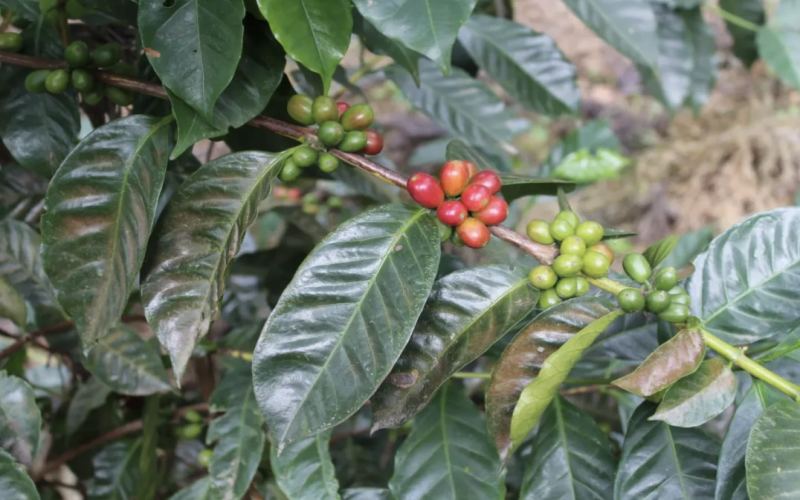
Some new coffee varieties: sidra, Eugenio Des, Wush Wush, and the variety introduction of Laurina.
Coffee can be divided into three major varieties: Arabica, Robusta, and Liberica. Currently, Arabica and Robusta are the most commonly used coffee tree species for commercial planting. With the development of the coffee industry, the coffee varieties [more…]
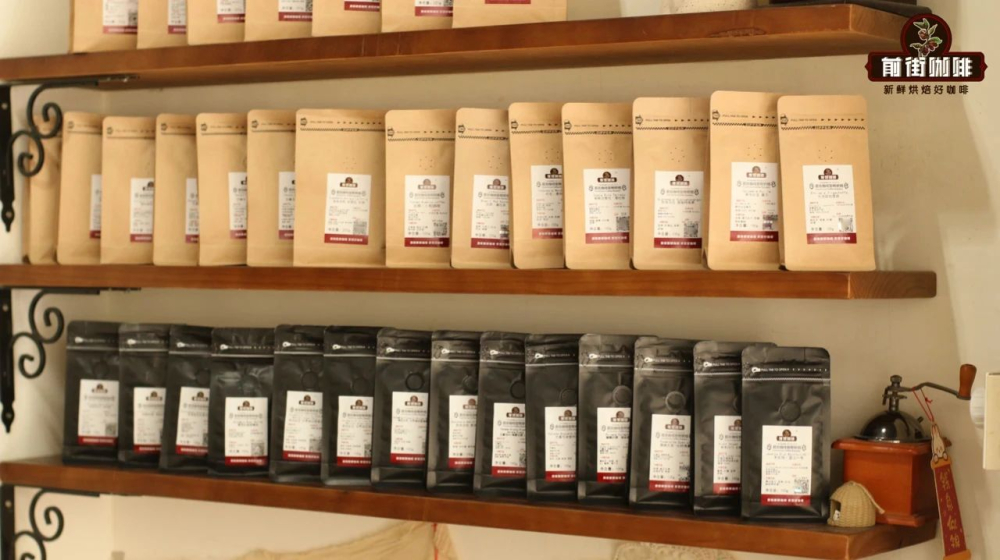
American Coffee Bean Brand Recommendations | Which Coffee Beans Are Used for Americano Black Coffee? What Are the Flavor, Taste, and Price Characteristics of Commercial Espresso Beans?
The taste of a cup of Americano depends directly on the coffee beans, so choosing a bag of high-quality beans is crucial. So how do you select commercial coffee beans that suit you? Before buying, or if you're just getting into coffee, you'll probably start by looking at coffee brand rankings, assuming that a highly ranked brand must mean good coffee. [more…]
The Changing Landscape of Yunnan Small-Bean Coffee: Arabica Cultivation Status, Flavor Characteristics, and Future Trends
Yunnan's coffee planting area has climbed from over 300,000 mu in 2008 to more than 1.4 million mu today, with output once accounting for over 99% of the national total. Yet the expansion of the industry's scale has not been smooth sailing. Since 2012, international coffee futures prices have continued to decline, leaving Yunnan coffee farmers struggling at the edge of the cost line; the 2014 harvest season was hit by a triple blow of drought, cold damage, and the abandonment of harvesting, causing output to plummet from an expected 100,000 tons to less than 60,000 tons, while purchase prices, driven by factors such as drought in Brazil, saw their largest single-month increase in 20 years. Lincang, as an emerging main producing area, rose rapidly, and companies such as Lingfeng Coffee began implementing quality traceability systems. This article will review the cultivation situation, flavor characteristics, and future development trends of Yunnan Arabica coffee beans. [more…]
Coffee Flavor | From What Angles Do We Describe and Evaluate Specialty Coffee Flavor?
In recent years, the domestic coffee industry has developed rapidly. Even when black swan events occurred and most industries were struggling, the domestic coffee market still maintained stable growth. So as an ordinary enthusiast, when faced with merchants' marketing claims, how should one evaluate a coffee bean? When drinking coffee and buying coffee beans, [more…]
An In-Depth Analysis of Tanzania's Coffee Bean Grading System and the Flavor of the Kilimanjaro Region
Tanzanian coffee is grown in the fertile soils of the East African Rift Valley, structured around bright acidity and medium body, interwoven with blackcurrant, sweet citrus, and floral notes, suitable for both hot and iced drinks. This article systematically reviews its washed processing characteristics, estate bean grading logic, and transportation aging risks, explains in detail the terroir of core producing regions such as Kilimanjaro, Moshi, and Arusha, and introduces representative brands such as Africafe and Tanica Cafe as well as the cultural origins of the "coffee gentleman." It also focuses on industry developments such as Tanzania's promotion of domestic sales and the addition of six new coffee-producing regions, providing coffee enthusiasts with a comprehensive and professional guide to the producing region. [more…]
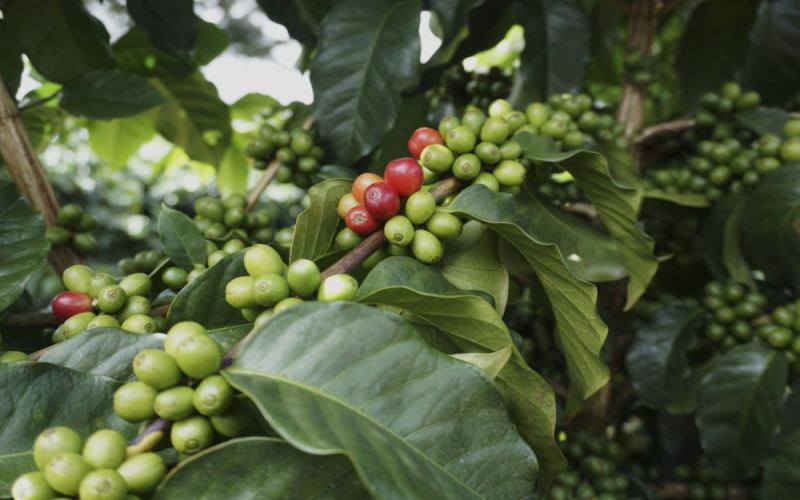
Lintong Mandheling Pour-Over Tutorial | Why Is Indonesian Mandheling Coffee Processed with the Wet-Hulling Method? An Introduction to the Origin, Variety, Flavor, and Mouthfeel of Mandheling Coffee, the Everyday Staple Bean
Front Street Mandheling, as one of the representatives of full-bodied coffee, usually drives those who love it wild with desire, while those who dislike it turn up their noses. Below, Front Street discusses this "highly individualistic" coffee bean. The development of coffee in Indonesia: Indonesia has a long history of coffee cultivation, and according to relevant records, the history of coffee in Indonesia can be traced back [more…]

Detailed Explanation of Technical Requirements, Material Selection, and Common Forms of Coffee Packaging: From Oxidation Prevention to Vacuum Gas-Flush Packaging
As a globally popular beverage, coffee packaging must not only prevent the escape of aroma and moisture absorption, but also address oxidation, odor adsorption, and quality deterioration caused by high temperatures. This article focuses on the packaging needs of regular coffee and instant coffee, systematically outlining key technical requirements such as oxidation prevention, moisture resistance, gas barrier properties, and high-temperature protection, and introduces current mainstream vacuum packaging and gas-flushing packaging processes. In terms of material selection, bags, bag-in-box, metal cans, and glass jars each have corresponding composite structure solutions, while instant coffee mostly uses paper/aluminum foil/polyethylene flexible packaging. The article concludes with a summary of common packaging forms such as bags, cans, and boxes, suitable for reference by coffee enthusiasts and industry professionals. [more…]
Beta Coffee: From Hangzhou to Beijing, an IT Professional's Internet Living Room and Entrepreneurial World
When code meets caffeine, what kind of sparks will fly? Beta Coffee started in Hangzhou, founded by IT entrepreneur Bai Ya and his partners, and quickly became a public living room for the internet circle. This trend then swept through Beijing's Zhongguancun, with Garage Coffee, 3W Coffee, and others springing up, ushering in the "internet coffee era." These places are not just for drinking coffee, but also a arena for IT people to network, recruit, and seek investment. This article will take you through the founding journey of Beta Coffee, its unique rules, and those warm yet persistent entrepreneurial stories, to feel the internet spirit that connects infinite possibilities behind a cup of coffee. If you also enjoy exploring coffee culture, please follow Front Street Coffee, where we continue to bring you heartwarming coffee stories. [more…]
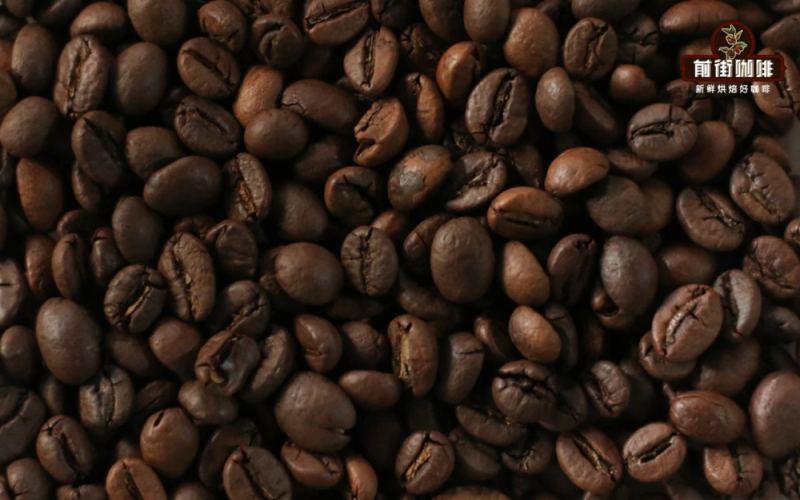
Introduction to Coffee Bean Roasting Stages | What Are the Differences and Characteristics of Dark, Medium, and Light Roasts? A Comparison of Flavor Changes in Coffee Beans at Different Roast Levels
In the past, most people's impression of coffee was that it was dark roasted, offering a burnt, rich, and bitter taste. Nowadays, with the introduction of the specialty coffee concept, dark-roasted coffee beans are no longer considered the best, and light-roasted and medium-roasted coffee beans have gradually become the mainstream of the third wave of coffee. Front Street Coffee (Fr [more…]

Coffee Roast Level Comparison | How Can Coffee Beginners Visually Determine Coffee Roast Level? What Are the Roast Flavor Characteristics of Espresso and Americano Coffee Beans?
The coffee beans we usually encounter have all been roasted. Roasting brings out the captivating aroma of coffee beans, and different roast levels give quite different impressions. In this issue, Front Street Coffee (FrontStreet Coffee) introduces several methods for identifying coffee roast levels. [more…]
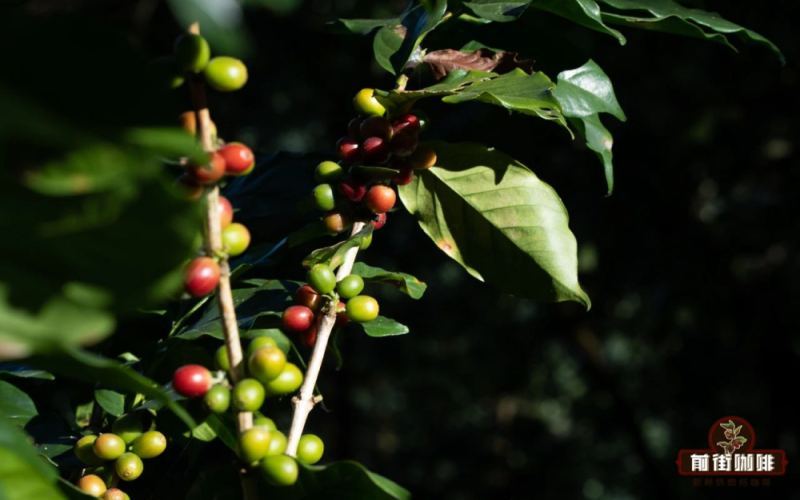
The Century-Long Planting History and Variety Evolution of Yunnan Small-Bean Coffee: Industrial Transformation from Typica to Catimor
Yunnan coffee has traveled a long and winding road of growth, from the first coffee seedling introduced by missionaries a century ago to its current status as a common choice in specialty coffee shops. This article traces the complete story of Yunnan small-bean coffee—its cultivation origins, the evolution of varieties, and the upgrading of the industry—and also explores the distinct characteristics of the two varieties, Typica and Catimor. For coffee lovers who want to understand the flavors of the Yunnan growing region or who are currently choosing a Yunnan single-origin bean, this article offers a comprehensive reference ranging from historical background to practical brewing, and it also includes Front Street Coffee's Yunnan bean brewing recipe and flavor description. [more…]

Single-Origin Coffee | What Is the Coffee Flavor Wheel? How Can Coffee Beginners Learn to Taste Single-Origin Coffee? How Do You Describe the Flavor Characteristics of Pour-Over Coffee?
After years of development, specialty coffee has formed a scientific system. From cultivation and processing at the green bean stage, to roasting, and then to brewing and tasting, there is a very complete body of knowledge. The improvement of green bean quality, roasting, and brewing quality ultimately serves to give us a better experience when tasting coffee. [more…]
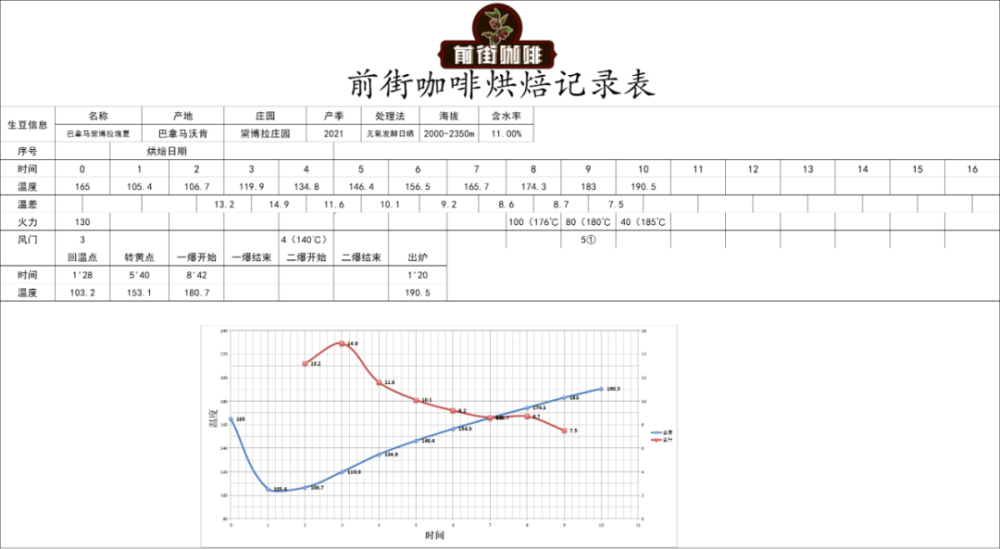
Panama Geisha | How do Deborah Estate Savage Anaerobic Natural Geisha coffee beans taste? Is Panamanian Geisha coffee very expensive?
Panama is famous for Geisha coffee, one of the most expensive coffees in the world. Currently, on Front Street Coffee's bean list, the coffees from the Panamanian region are basically all Geisha coffee. Besides the renowned Geisha coffee from Hacienda La Esmeralda, there is also the Savi from Finca Deborah. [more…]

Ice Drip Coffee Powder-to-Water Ratio | How Long Does It Take to Make Ice Drip Coffee? What Coffee Beans Are Suitable for Ice Drip Cold Brew? What Is the Best Enjoyment Period for Ice Drip Cold Brew?
For more specialty coffee knowledge, please follow our WeChat official account: FrontStreet Coffee. In the heat of summer, iced coffee is one of the refreshing beverages to beat the heat. When you walk into a coffee shop, you may notice that the price of cold drip coffee is noticeably higher than that of regular iced coffee. Cold drip coffee, of course, [more…]
Where IT Thinking Meets Coffee Culture: How Beta Coffee Went from Hangzhou to Beijing and Became a Gathering Place for Internet People
When IT thinking meets coffee culture, what kind of sparks will fly? In 2009, Bai Ya and a group of internet professionals founded Beta Coffee in Hangzhou, positioning it as a public living room for IT people. In just over two months, it was named the "Best Gathering Place for E-commerce Professionals." In 2011, this trend swept through Beijing's Zhongguancun, and Beta Coffee's Beijing branch officially opened. Soon after, Garage Coffee, 3W Coffee, and others emerged one after another, thus beginning the "Internet Coffee Era." This is not just a place to drink coffee, but also a physical platform for IT people to communicate, share, and seek opportunities. This article takes you into the jianghu stories of Beta Coffee, to experience the unique atmosphere created by the collision of the internet and coffee. [more…]

Specialty Coffee in China | What coffee variety is Yunnan small-batch coffee? Recommended Yunnan single-origin specialty coffee beans that are great for pour-over
When it comes to coffee cultivation, people may first think of famous coffee-growing regions such as Africa and Central and South America. In fact, Yunnan in China had records of coffee cultivation as early as 1904, and today it has even ranked among the world's coffee producers. "Yunnan small bean" is appearing more and more frequently in domestic coffee shops, [more…]